
Investing in Panama Real Estate as a Foreigner
Panama Qualified Investor Program
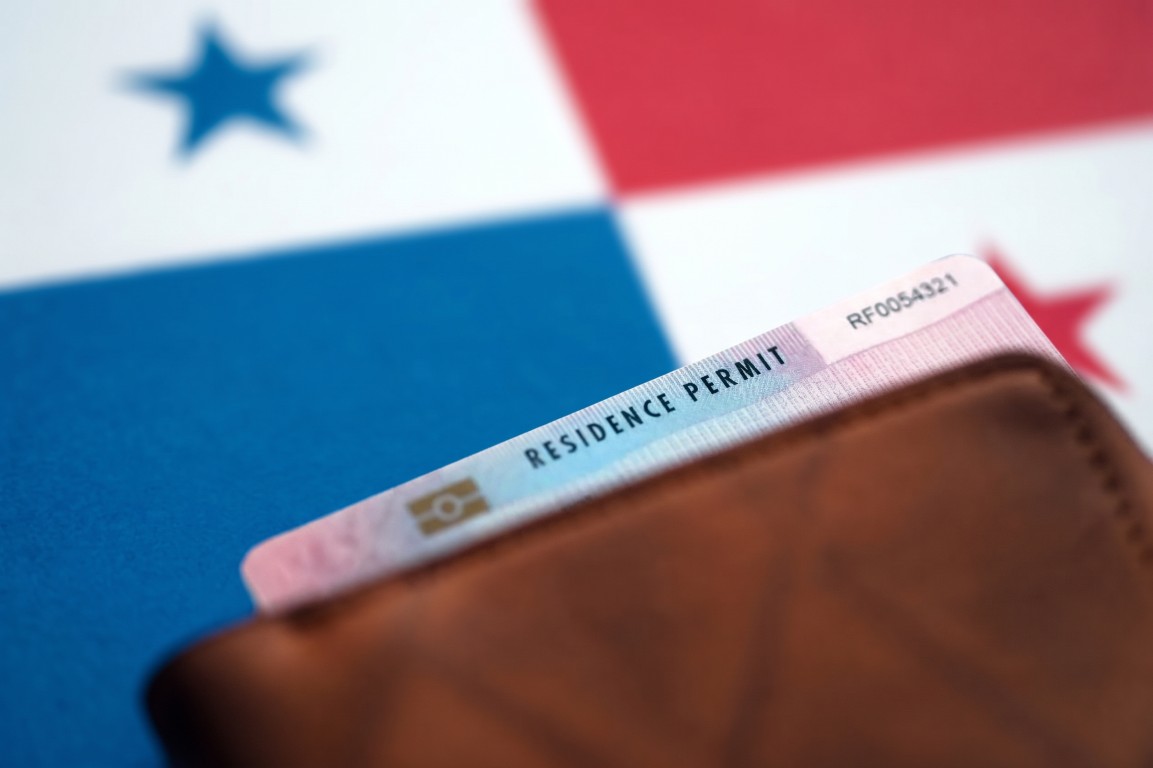
How to Invest in Panama Real Estate as a Foreign Buyer
Investing in Panama real estate means buying titled property recorded at the Public Registry, where foreigners hold the same rights as citizens. The country uses the US dollar, taxes only local income, and lets a qualifying purchase of at least $300,000 support permanent residency through the Qualified Investor Program.
## Key takeaways
– Foreigners can own titled property in Panama outright, with no permit and no residency requirement.
– Panama’s territorial tax system leaves foreign-source income untaxed; only Panama-source rental income is taxable locally.
– A titled purchase of at least $300,000 can support Qualified Investor permanent residency, a minimum scheduled to rise to $500,000 after October 15, 2026.
– Sellers pay a 2% transfer tax; annual property tax runs roughly 0% to 1% after exemptions under Law 66 of 2017.
– Gross rental yields on Panama City condos commonly range from about 4% to 7% before costs; confirm with current local data.
## Is Panama a good place to invest in real estate?
Panama pairs a US-dollar economy with open foreign ownership of titled property, so North American buyers carry no currency risk and need no special permit. The country has used the dollar as legal tender since 1904. It taxes only Panama-source income. Set those strengths against a slow court system, uneven construction quality, and pockets of condo oversupply in parts of Panama City. Trust an independent inspection and title study, not a developer’s projection. GLP has worked in this market since 1985, which is roughly four decades of transaction history to draw on.
## Can foreigners own property in Panama?
Yes. Foreigners buy and hold titled property in their own name with the same rights as citizens, and you do not need to live in Panama to purchase. One constitutional limit applies: foreigners cannot hold title within 10 kilometers of a land border, and some island land is restricted.
### Titled property vs. rights of possession
Titled property (propiedad titulada) is registered at Panama’s Public Registry and is true ownership. Rights of possession (derecho posesorio) is only a claim to occupy untitled government land. ROP shows up on islands and some beaches. It is harder to mortgage or insure, and it should sell at a discount to titled land. Confirm the category in writing before you pay a deposit.
## How do you buy investment property in Panama, and what does it cost?
A resale with clean title usually closes in 30 to 60 days.
– Sign a promise-to-buy contract (contrato de promesa de compraventa) with a deposit near 10%.
– Commission an independent title study at the Public Registry for liens, mortgages, and boundary problems.
– Get a tax clearance (paz y salvo) from the Direccion General de Ingresos.
– Hold funds in escrow with a licensed law firm, never with the seller.
– Sign the public deed (escritura publica) before a notary, then register it so the title shows your name.
### Costs to budget
Buyers generally pay legal fees of about 1% to 2%, plus notary and registration. Sellers pay a 2% transfer tax on the higher of price or updated registered value, plus a capital gains charge, commonly 3% of the price as an advance credited against 10% on the actual gain. Annual property tax after exemptions runs roughly 0% to 1% (Law 66 of 2017; DGI).
## Can your Panama property investment lead to residency?
Yes. A titled purchase of at least $300,000 can support permanent residency under the Qualified Investor Program, which GLP describes as typically processed in 30 to 60 days. The real estate minimum stands at $300,000 through October 15, 2026, then it is scheduled to rise to $500,000. The property must be held for five years. Buying does not grant status by itself. A separate immigration file goes to Panama’s Servicio Nacional de Migracion through licensed counsel.
## Where do investors buy, and what returns are realistic?
For rental demand and resale liquidity, investors concentrate on Panama City: El Cangrejo, San Francisco, Costa del Este, Avenida Balboa, and Punta Pacifica. A furnished two-bedroom in El Cangrejo rents for approximately $1,200 to $1,900 per month (verify locally). Costa del Este draws corporate tenants at higher prices. Beach and highland markets such as Coronado and Boquete lean on short-term rentals with more seasonality. Gross yields on city condos commonly fall around 4% to 7% before vacancy, homeowners association fees, management, and tax. Net yield is lower. Treat any pro forma as a starting point, not a promise.
## Panama vs. Mexico vs. Costa Rica for investors
| Criteria | Panama | Mexico | Costa Rica |
|—|—|—|—|
| Currency | US dollar | Mexican peso | Costa Rican colon |
| Foreign ownership of titled property | Full, same as citizens | Bank trust (fideicomiso) near coast or border | Full, same as citizens |
| Residency via property purchase | $300K Qualified Investor (through Oct 15, 2026) | No fixed national property figure | About $150K investor route |
| Transfer or acquisition tax | About 2% | About 2% to 5%, varies by state | About 1.5% plus fees |
Figures are approximate and change. Verify current rules before committing.
## Frequently asked questions
**Can I get a mortgage in Panama as a foreigner?**
Yes. Some Panamanian banks lend to non-residents, usually with a larger down payment, often 30% or more, and more documentation. Terms are less favorable than a local borrower receives.
**Is rental income from Panama property taxed?**
Yes. Rent from Panamanian property is Panama-source income and is taxable in Panama. US citizens also report it to the IRS on their worldwide return.
**Can I buy through a company or foundation?**
Yes for general investment. The Qualified Investor real estate route generally requires title in your personal name, so ask counsel which structure fits your goal.
**How long does a purchase take?**
A clean resale usually closes in 30 to 60 days. Pre-construction depends on the developer’s delivery schedule.
Panama gives foreign investors clean title, a dollar economy, and a property-linked residency route, but the result still depends on the building, the neighborhood, and the title behind it. Your next step: before you sign anything, have a licensed Panamanian attorney who does not represent the seller run an independent title study at the Public Registry. GLP coordinates that review alongside the residency filing.