
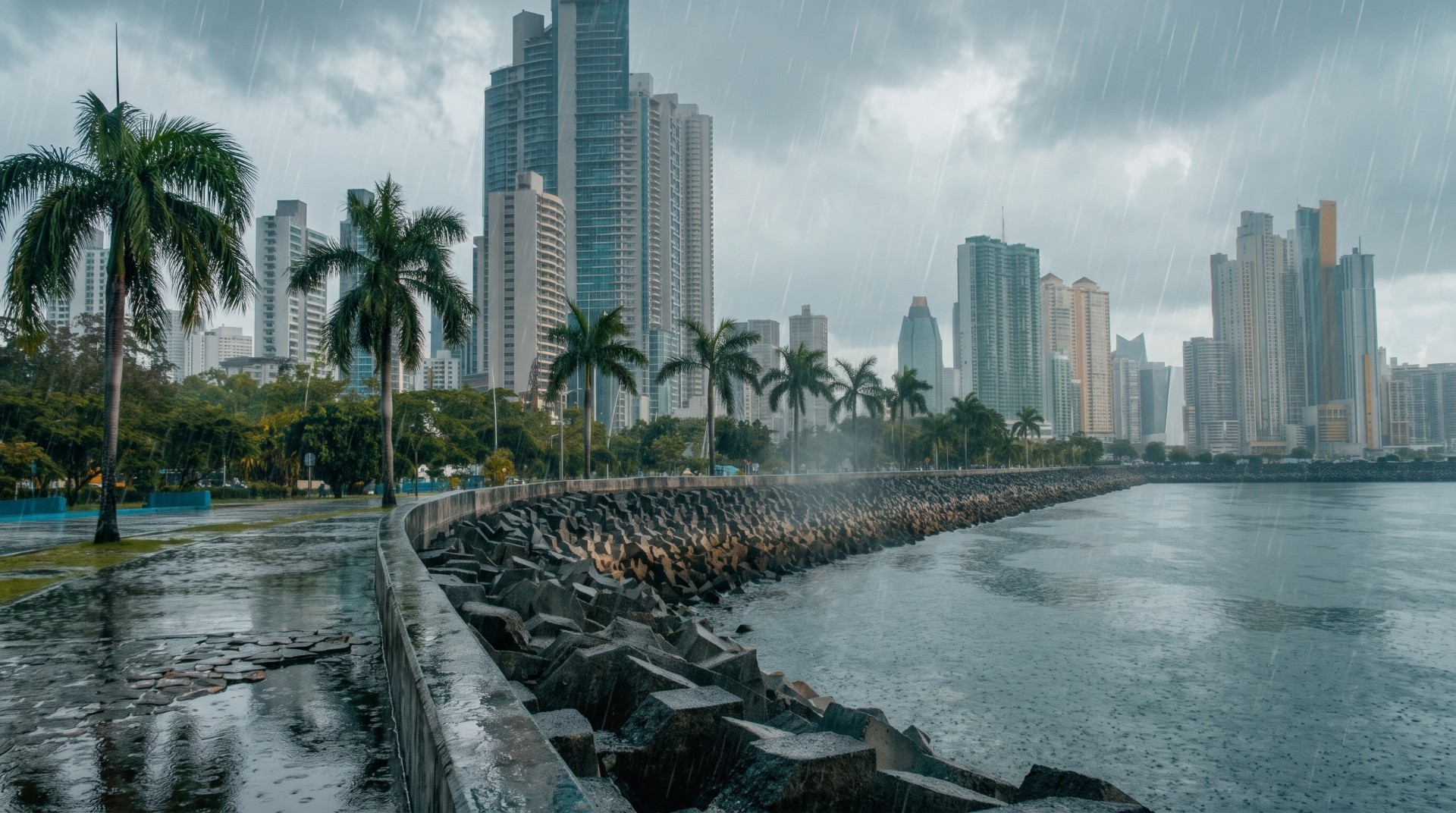
Panama offers three main residency routes: the Friendly Nations Visa, the Pensionado Visa and the Qualified Investor Program. The right one depends on your nationality, whether you have a lifetime pension and how much capital you can commit.
This Panama residency FAQ answers the questions people search most: which visa fits, what it costs, how long it takes, whether you need a lawyer, and how taxes and citizenship work. Each answer names its source and flags where information changes or sources disagree.
Author: Juan Mejía, GLP Panama Residency team. Legal review: [Panamanian attorney], license no. [fill in]. Last updated: November 4, 2026.
Before you start: investment minimums, country lists and timelines are set by decree and can change. Commercial sources sometimes contradict each other. Use this guide to orient yourself, then confirm current rules with Panama’s National Immigration Service or a licensed Panamanian attorney.
Panama Residency in 60 Seconds
- Three main routes: Friendly Nations Visa, Pensionado Visa and Qualified Investor Program.
- Friendly Nations (Executive Decree 416 of 2012, expanded by Decree 226 of 2021): requires citizenship of a listed country plus an economic or professional tie to Panama.
- Pensionado: requires a lifetime pension, historically a minimum of about US$1,000 per month plus an amount per dependent.
- Qualified Investor (Executive Decree 722 of 2020, per sources): grants permanent residency by investment. Reported thresholds range from US$300,000 to US$750,000, depending on asset type and source.
- Lawyer: per sources, applications must be filed by a licensed Panamanian attorney.
- Preparation: plan for 2 to 4 weeks of document preparation (apostilles) and at least one short trip to Panama.
- Timeline: one firm claims approvals in 30 to 45 business days. That is marketing, not a guarantee.
- Citizenship: can reportedly be requested after five years of legal residency, with shorter periods for some Spanish and Latin American nationals.
- Taxes: Panama taxes territorially, but your home country may still tax you.
Panama Residency Routes Compared
| Route | Who qualifies | Key requirement | Status per sources | Confirm in writing |
|---|---|---|---|---|
| Friendly Nations | Citizens of a listed country (sources cite roughly 50 to 53 countries) | Economic or professional tie: operating company, job offer, investment or property purchase | Sources differ: legal residence for two years, then permanent; or permanent from the start | That your country is on the current list, and whether initial status is temporary or permanent |
| Pensionado | People with a guaranteed lifetime pension | Historical minimum of about US$1,000 per month plus an amount per dependent, proven by an official letter from the paying entity | Permanent from the start | Current minimum and benefits |
| Qualified Investor | Not tied to nationality | Investment in real estate, securities or fixed-term deposits at local banks (US$300,000 to US$750,000 depending on asset type and source) | Permanent residency | Applicable decree and current amount |
General Questions About Panama Residency
Who can get residency in Panama?
Any foreigner who meets the requirements of an immigration category. The routes most used by people without a local job are Friendly Nations (based on nationality), Pensionado (based on pension income) and Qualified Investor (based on capital).
Categories tied to employment or business ownership also exist and need case-by-case analysis. The first task is matching your profile to the right category, because choosing wrong can cost months.
What are the basic requirements to get residency in Panama?
Each visa has its own conditions, but nearly all applications need:
- A valid passport.
- An apostilled police record.
- A medical certificate issued in Panama.
- Application forms and photos.
- A power of attorney to a Panamanian lawyer.
On top of that, each category adds its own element: a pension, an economic tie or an investment. For a breakdown by visa, see our guide to Panama permanent residency requirements for 2026.
Do I need a lawyer to get Panama residency?
Yes, according to the sources we reviewed. Panamanian law requires residency applications to be filed by a licensed attorney, so you cannot file on your own.
That makes choosing a firm important. Ask for a written quote, the exact scope of work and verifiable references. Be wary of anyone promising guaranteed approval or asking for full payment without a contract.
Can I get Panama residency without traveling there?
Sources disagree. Much of the process can be prepared remotely (documents, apostilles, powers of attorney), but other sources say certain steps are completed in country: the medical exam, signatures and, in some cases, opening the bank account.
As a practical rule, plan on at least one visit, about five business days according to some firms.
Can my family be included in my residency application?
Generally yes. A spouse and dependent children can be included as beneficiaries, with extra documents such as apostilled marriage and birth certificates. Under the Pensionado route, some requirements rise per dependent. Confirm age and dependency rules with your attorney.
Panama Friendly Nations Visa
What is the Friendly Nations Visa?
It is a residency subcategory created by Executive Decree 416 of 2012 and expanded by Decree 226 of 2021. It is also called “Países Amigos.”
It is aimed at nationals of countries with friendly professional, economic and investment ties to Panama. It is one of the most searched routes because you can qualify by showing an economic tie rather than making a large investment.
Which countries are on the Friendly Nations list?
There is no single answer: the list changes and sources disagree, citing roughly 50 to 53 countries. Frequently mentioned are the United States, Canada, Mexico, Argentina, Chile, Peru, Brazil, Spain, the United Kingdom and various European and Asia-Pacific countries.
A blog mentioning your country is not official confirmation. Check the Official Gazette or ask your attorney for a dated written confirmation.
What are the Friendly Nations Visa requirements?
Sources agree on the following:
- You must be 18 or older.
- You must hold citizenship of an eligible country.
- You must show an economic or professional tie: an operating company, a job offer, an investment or a property purchase.
- You will need an apostilled police record and a medical certificate.
Some guides mention a Panamanian bank account with a deposit of around US$5,000; confirm the current amount.
Is the Friendly Nations Visa temporary or permanent?
This is a point of confusion. One source says holders receive legal residence for the first two years and can then apply for permanent status; others describe it as permanent from the start. Until your attorney confirms in writing, don’t assume either version.
What if my country is not on the Friendly Nations list?
You have alternatives. Qualified Investor does not depend on nationality, and Pensionado only requires a lifetime pension. Work-based and business-based categories are also worth exploring. Evaluate each with an attorney according to your profile, income and capital.
Pensionado and Qualified Investor Visas
What are the Panama Pensionado Visa requirements?
The core requirement is a guaranteed lifetime pension, with a monthly minimum historically around US$1,000 plus an additional amount per dependent. You prove it with an official letter from the paying entity.
You also need an apostilled police record and a medical certificate from Panama. Rental or investment income generally does not count as a pension. Sources describe the visa as granting permanent residency from the start.
What are the Pensionado benefits?
Sources mention discounts on services, transport, entertainment and healthcare, as well as immigration advantages. The list of benefits can change, so check current official information before basing a decision on it.
What is the Qualified Investor Visa?
It is a route to permanent residency by investment. According to sources, it was introduced by Executive Decree 722 in October 2020. The investments mentioned include real estate, securities and fixed-term deposits at local banks.
It is described as one of the fastest routes and allows dependents to be included.
What is the minimum investment for Panama residency?
Sources conflict, so there is no single confirmed figure:
- A GLP-associated site cites US$300,000 for real estate.
- Other firms cite US$500,000 or ranges of US$500,000 to US$750,000.
- One source says a 2024 decree lowered some real estate thresholds.
The prudent step is to ask your attorney for the applicable decree and the amount in writing, with a date, before wiring funds.
Does buying a property automatically give me residency?
No. The property must meet the minimum value and the program’s conditions. Before buying, check:
- The title and liens at the Public Registry.
- The developer’s track record.
- An independent appraisal and closing costs.
- For new builds, delivery-delay risk.
- Whether mortgage financing affects how the amount counts.
Which is better: Friendly Nations or Qualified Investor?
It depends on your nationality and capital. Friendly Nations usually involves a smaller financial commitment but requires that your country be on the list and that you prove a genuine tie. Qualified Investor has no specific nationality requirement and grants permanent status, in exchange for more capital and closer scrutiny of your source of funds.
The right choice fits your profile, not the one that is most popular.
Panama Residency for US, Canadian and UK Citizens
Can US citizens get Panama residency?
Yes. The United States is commonly listed among Friendly Nations countries, subject to confirming the current list. Americans can also use Pensionado (for example with Social Security or a qualifying pension) or Qualified Investor.
Remember that the US taxes its citizens on worldwide income wherever they live, so residency in Panama does not end US filing obligations.
Can Canadians and UK citizens apply?
Yes. Canada and the United Kingdom are generally mentioned among eligible countries; verify the current list. Pension-based and investor routes are also available.
Both countries have their own tax-residency rules, so get home-country tax advice before relocating, including departure tax, the statutory residence test and healthcare coverage.
Panama Residency Cost and Timeline
How much does Panama residency cost?
There is no single price. The total includes:
- Government fees.
- Attorney fees.
- Documents (apostilles, translations, certificates).
- The economic tie or investment.
- Travel.
One forum mentions government fees above US$500 for treaty countries and above US$1,000 otherwise, but that is user-reported, not official. Request a detailed written quote and compare at least two.
How much does a Panama immigration lawyer cost?
Fees vary with the visa category, the number of applicants and extra services such as company formation or property due diligence. We don’t quote fixed figures because they change. Ask what is included, what is excluded, how many trips you will need and how payments are structured.
How long does Panama residency take?
Sources cite 2 to 4 weeks to prepare documents in your home country and about five business days in Panama, followed by variable agency review time.
One investor-program site claims most applications are approved within 30 to 45 business days. Treat that as an optimistic marketing estimate rather than an official guarantee.
What can delay my application?
The most common causes are missing or expired apostilles, inconsistent information across documents, switching categories mid-process and additional requests from immigration. They are easy to avoid with complete, current documents, the right category from the start and a responsive attorney.
Are there ongoing costs after approval?
Yes, though smaller: card renewal and, depending on your setup, upkeep of a company or property. Ask your attorney what recurring obligations apply to your category.
Panama Taxes and Citizenship
Will I pay taxes in Panama?
In broad terms, Panama uses a territorial system: it taxes income generated inside the country, and foreign-source income generally is not taxed locally.
Income earned in Panama, rental income from Panamanian property and property-related or transfer taxes can apply. Exceptions are analyzed case by case.
If I become a resident, do I stop paying taxes at home?
Not necessarily. Many countries tax based on tax residency, which does not change automatically when you get a Panamanian visa. US citizens are additionally taxed on worldwide income.
Speak with a tax adviser in your home country before moving, and check whether a treaty offers relief from double taxation.
Can I get Panama citizenship after 5 years of residency?
Several sources say permanent residents can apply after five years of legal residency. The Constitution provides shorter periods for some Spanish and Latin American nationals, so confirm the period that applies to you.
Requirements include a clean record, basic Spanish, knowledge of the country’s history and culture as required, and filing through an attorney.
Does investing speed up citizenship?
Not automatically. Residency by investment is residency, not nationality. Also check whether your home country allows dual citizenship before deciding.
How often must I visit Panama to keep residency?
One source says visiting at least once every two years is enough to maintain status. Verify this rule, because naturalization may require effective residence and long absences can have consequences depending on the category.
How to Choose Well and Avoid Common Mistakes
These are the five most repeated errors when applying for Panama residency:
- Using outdated lists or figures that circulate on blogs and forums.
- Not apostilling in time, which is often the slowest step.
- Paying intermediaries without a contract, receipt or defined scope.
- Assuming any property purchase grants residency.
- Ignoring your home country’s tax rules when planning the move.
A simple way to decide on your route:
- Confirm whether your nationality is on the Friendly Nations list.
- Determine whether you have a lifetime pension or capital to invest.
- Ask a licensed attorney for a written category recommendation.
- Request detailed quotes and a realistic timeline.
Panama Residency FAQ: Quick Answers
What types of residency does Panama offer?
The three main routes for people without a local job are the Friendly Nations Visa (based on nationality), the Pensionado Visa (based on a lifetime pension) and the Qualified Investor Program (based on capital invested). Work-based and business-based categories also exist.
Do I need a lawyer to apply for Panama residency?
Yes. According to the sources we reviewed, Panamanian law requires a licensed Panamanian attorney to file the application, so you cannot file on your own.
How much does Panama residency cost?
There is no single price. The total adds government fees, attorney fees, documents, the economic tie or investment, and travel. Request a detailed written quote and compare at least two.
How long does Panama residency take?
Sources cite 2 to 4 weeks to prepare documents and about five business days in Panama, plus variable agency review time. One firm claims 30 to 45 business days, but that is a marketing estimate, not a guarantee.
Can US citizens get Panama residency?
Yes. The United States is commonly listed among Friendly Nations countries (confirm the current list), and Americans can also use Pensionado or Qualified Investor. The US taxes its citizens on worldwide income, so US filing obligations continue.
Will I still pay taxes in my home country after getting Panama residency?
Possibly. Panama taxes territorially, but many countries tax based on tax residency, which does not change automatically with a Panamanian visa. Get advice from a tax adviser in your home country before moving.
How We Verified This Information
This guide draws on decrees cited in public sources and on guides from specialized firms such as Relofirm, Kraemer Law, Global Citizen Solutions, uglobal, NDM, Reside Panama and Trident Trust, plus information published by the Panama Qualified program. Where sources disagree we say so rather than pick a figure. Verify everything with Panama’s National Immigration Service before acting.
About the author: [Fill in verifiable experience, years of practice and specialty].
Legal review: [Attorney, license no., review date].
Next Step: Get Your Case Evaluated by an Immigration Attorney
Want to know which route fits your case? Request an evaluation with a Panamanian immigration attorney, who can confirm your eligibility, the current minimum and a realistic timeline before you invest or travel.
This content is informational and is not legal, tax or investment advice.